
Window Replacement Warranty: What’s Covered & Comparison Guide
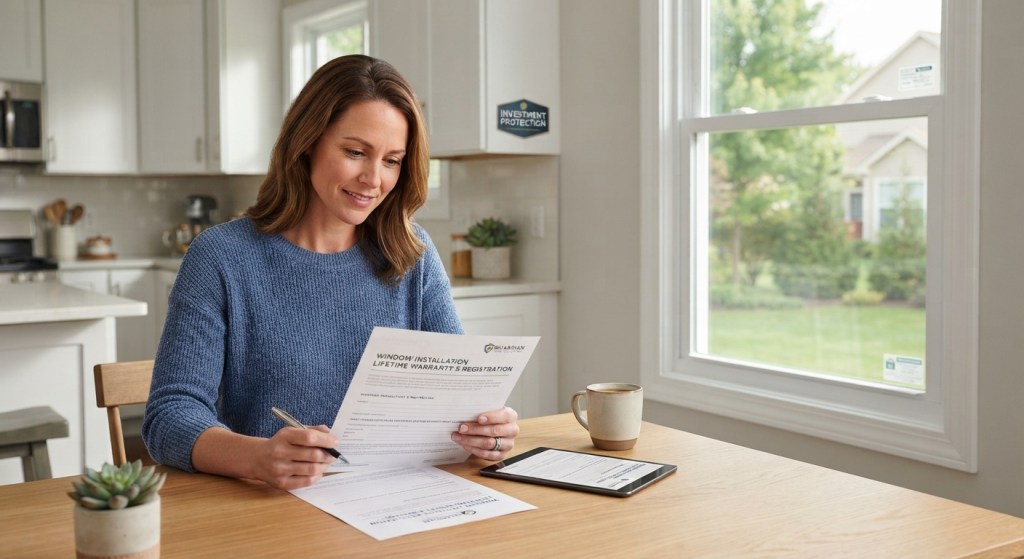
When you invest in new windows, the warranty protecting that purchase can be just as important as the glass itself. A window replacement warranty typically covers defects in materials, hardware, and sometimes labor, but the details vary widely between manufacturers and product lines.
Why Your Window Warranty Deserves as Much Attention as the Window Itself
Most homeowners spend considerable time comparing frame materials, glass packages, and energy efficiency ratings when shopping for new windows. Fewer spend that same energy reading the fine print on the warranty that comes with the product. That oversight can be costly.
According to the This Old House best window brands guide, warranty terms vary significantly across manufacturers, and a longer warranty does not automatically mean broader coverage. Some “lifetime” warranties are limited to original purchasers only, exclude labor, or apply only to specific components like the glass seal rather than the full unit.
The window replacement and installation market is estimated at $12.5 billion in 2024 and is projected to reach $20.1 billion by 2033 at a compound annual growth rate of 6.1% from 2026 to 2033, according to Real Time Market Analytics, 2024. With that level of growth, more manufacturers are entering the market, and warranty quality ranges from excellent to paper-thin. Knowing what to look for protects your investment regardless of which brand you choose.
A good starting point is understanding that warranties typically fall into three categories: manufacturer warranties, installer warranties, and glass/seal warranties. Each covers a different aspect of the product, and gaps between them are where homeowners most often run into trouble.
What a Standard Window Warranty Actually Covers
A typical replacement window warranty lasts 10 years, though some brands and models offer terms as long as 20 years or promise a lifetime warranty, according to Consumer Reports, 2025. Most window replacement warranties range from 10 to 20 years, according to WiFi Talents, 2025. However, the length of the warranty is only one dimension of its value.
Here is what reputable warranties generally include:
- Glass seal failure: Coverage for fogging or condensation between panes caused by seal breakdown, which is one of the most common defects in insulated glass units.
- Frame and sash defects: Coverage for warping, cracking, or delamination of the frame material under normal conditions.
- Hardware: Locks, hinges, balances, and other operating hardware are often covered but may carry shorter terms than the glass package.
- Labor: Some manufacturers cover the cost of reinstallation if a defect is confirmed. Many do not.
According to the This Old House 2026 Home Warranty Survey, 52% of homeowners received windows with both hardware and labor warranties, while 27% received hardware-only coverage. That gap matters when a defective unit needs to be removed and reinstalled, which can cost several hundred dollars per window in labor alone.
For a broader look at what new windows cost from purchase through installation, the window installation cost 2026 guide breaks down both product and labor pricing in detail.
How Warranty Claims Are Denied (and How to Avoid It)
Understanding what voids a warranty is equally as important as understanding what it covers. Over 15% of all window warranty claims are denied due to improper installation or failure to meet maintenance requirements, leaving homeowners with unexpected repair bills averaging $450 per window, according to DuloCore, 2026.
The most common reasons warranties are denied include:
- Improper installation: If a window is not installed by a certified or approved installer, the manufacturer may deny any future claim regardless of the defect.
- Lack of maintenance: Failing to clean tracks, lubricate hardware, or repaint wood frames as directed in the owner’s manual can void coverage.
- Unauthorized modifications: Applying window film, tinting, or exterior coatings not approved by the manufacturer can void the glass seal warranty specifically.
- Storm or impact damage: Most manufacturer warranties explicitly exclude damage caused by severe weather, accidents, or misuse.
- Non-transferability: Some warranties apply only to the original purchaser. If you buy a home with recently replaced windows, those warranties may not transfer to you.
To protect yourself, always request a copy of the full warranty document before signing any contract, confirm that your installer is manufacturer-certified, and keep records of all maintenance performed after installation. According to the Consumer Reports replacement windows buying guide, reading warranty exclusions carefully before purchasing is one of the most important steps in the selection process.
How Top Window Brands Compare on Warranty Terms
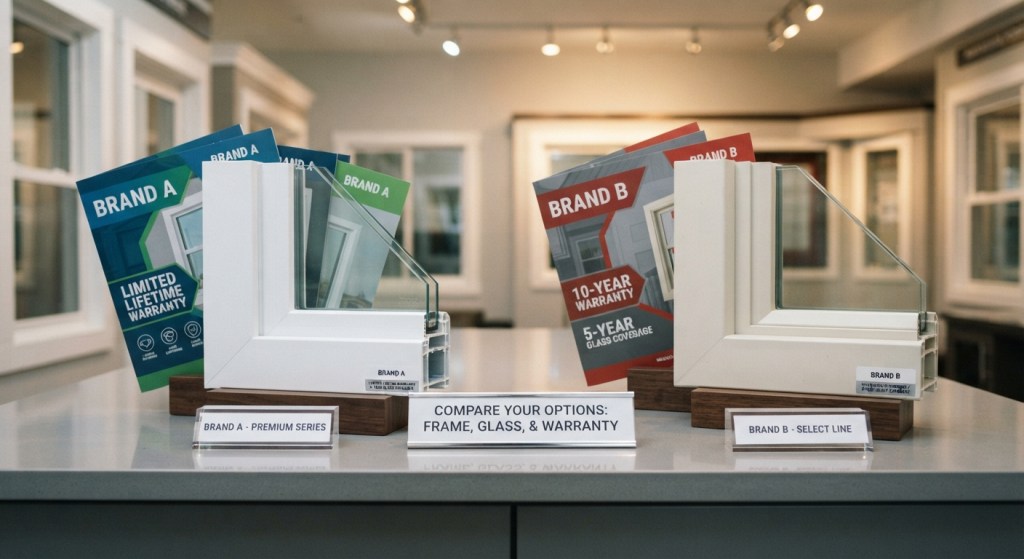
The table below outlines how several well-known window brands approach warranty coverage. Note that specific terms can vary by product line and installation region, so always verify with the manufacturer directly before purchasing.
| Brand | Frame/Sash Warranty | Glass Seal Warranty | Labor Coverage | Transferable |
|---|---|---|---|---|
| Andersen | Limited Lifetime | 20 years | Varies by installer | Yes (one time) |
| Pella | Limited Lifetime | Limited Lifetime | Varies by installer | Yes |
| Marvin | Limited Lifetime | 20 years | Not standard | Limited |
| Simonton | Lifetime (limited) | Lifetime | Not standard | Yes |
| Jeld-Wen | 10 years | 10 years | Not standard | Yes |
| Renewal by Andersen | Limited Lifetime | 20 years | Yes (included) | Yes (one time) |
Renewal by Andersen stands out among full-service options because installation labor is included in the company’s warranty coverage, which is not standard across the industry. That said, you typically pay a premium for that bundled protection.
When comparing options, also factor in the local availability of warranty service. A brand with a strong national warranty may still be difficult to work with if there are no authorized service centers in your area. Companies like Chattanooga Window Company work with products and installers that meet manufacturer certification requirements, which is a critical factor in keeping your warranty intact from day one.
Warranty Transferability and What It Means for Home Resale Value
If you plan to sell your home in the future, window warranty transferability is a feature worth prioritizing. A transferable warranty adds measurable value to your home during a sale by reassuring buyers that the windows are protected for the remainder of the coverage period.
Most manufacturers that offer transferability require that the transfer be formally registered within a set window of time after the home sale, typically 30 to 60 days. Missing that deadline can render the remaining warranty void for the new owner.
For homeowners pricing out a full replacement project, understanding the how much do new windows cost in 2026 breakdown can help you weigh the total investment against the long-term warranty protection you are getting for the price.
According to window market research from HIRI’s Window Market Watch report, homeowner interest in replacement windows is closely tied to energy savings expectations and durability confidence, both of which a strong warranty directly supports.
Energy Performance Certifications and Their Role in Warranty Validity
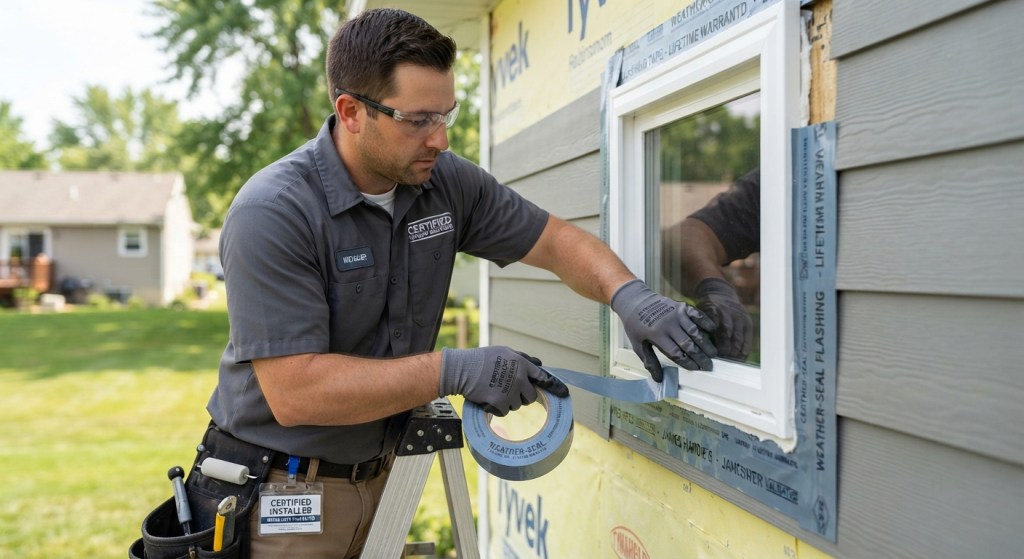
One area that often catches homeowners off guard is the relationship between energy performance certifications and warranty validity. Many window manufacturers require that windows be installed in accordance with ENERGY STAR program guidelines to maintain certain aspects of the warranty, particularly the glass unit coverage.
If a window is installed in a climate zone for which it was not rated, or if it is installed without the proper air sealing and flashing techniques specified in the installation manual, the glass seal warranty may be compromised even if the physical installation looks correct from the outside.
This is another reason why working with a certified local installer matters so much. For broader data on window replacement performance and return on investment, the window replacement statistics resource at Pro House Maintenance offers a well-organized breakdown of what homeowners can realistically expect.
A November 2025 windows survey showed that 95% of homeowners feel satisfied with their replacement windows, according to This Old House, 2025. That high satisfaction rate likely reflects both product quality and the peace of mind that comes with solid warranty backing. Separately, 48% of professionals say homeowners appreciate the peace of mind of having a warranty and good after-sales service, according to the Fixr Windows and Doors Report, 2025.
The replacement window segment accounts for 61% of total window market demand in the US, according to WiFi Talents, 2025. That dominance means manufacturers are competing aggressively on features including warranty terms, which is good news for homeowners willing to compare their options carefully.
What the FGIA Market Study Tells Us About Industry Standards
The FGIA 2024/2025 Market Study from the Fenestration and Glazing Industry Alliance tracks standards and product trends across the window and door industry. One of its consistent findings is that consumer expectations around warranty transparency have increased alongside the growing replacement market.
Manufacturers who provide clear, plain-language warranty documents with defined coverage periods, explicit exclusions, and straightforward claims processes tend to build stronger customer relationships and fewer post-purchase disputes. When you are evaluating bids from window companies, asking to see the full warranty document before signing is a reasonable and professional request that any reputable contractor should be able to fulfill without hesitation.
If a contractor cannot produce a clear warranty document or is vague about what is covered, that ambiguity is a signal worth taking seriously before committing to a purchase of several thousand dollars or more.
Things to Know
- Warranty length and warranty quality are not the same thing. A 10-year warranty with broad coverage and included labor can outperform a lifetime warranty that excludes glass seals and installation defects.
- Pro-rata warranties reduce the manufacturer’s financial responsibility over time, meaning the older your windows are when a defect appears, the less the company will pay toward repair or replacement. Always ask whether a warranty is full or pro-rata.
- Some manufacturers require annual or biannual maintenance records to honor a claim. Keeping a simple log of cleaning dates, hardware lubrication, and any professional inspections can prevent a claim denial years down the road.
- “Lifetime” in window warranty language typically means the lifetime of the original product in the original installation location, not the lifetime of the homeowner. Some brands define it even more narrowly in the fine print.
- Third-party extended warranties sold by retailers like Home Depot or Lowe’s are separate from and do not replace the manufacturer’s warranty. They may fill gaps in labor coverage, but read the terms carefully before paying extra for one.
- The geographic climate zone where your home is located can affect warranty eligibility for certain glass packages. Windows rated for southern climates may not carry the same seal warranty when installed in extreme cold, and vice versa.
Key Takeaways
- Most window replacement warranties last between 10 and 20 years, with some brands offering lifetime coverage, according to Consumer Reports, 2025.
- Over 15% of warranty claims are denied due to improper installation or missed maintenance requirements, resulting in repair bills averaging $450 per window, according to DuloCore, 2026.
- 52% of homeowners received windows with both hardware and labor warranties, while 27% received hardware-only coverage, according to the This Old House 2026 Home Warranty Survey.
- Warranty transferability and pro-rata terms matter significantly when you plan to sell your home.
- Always verify that your installer is certified by the manufacturer, as unauthorized installation is one of the most common reasons warranties are voided.
- The window replacement market is expanding rapidly, projected to reach $20.1 billion by 2033, which means more warranty options and brand competition are ahead.
The Bottom Line on Window Replacement Warranty
A window replacement warranty is not a formality buried in the paperwork. It is one of the most consequential factors in the long-term value of your window investment, covering you against defects that can emerge years after installation and protecting you from repair costs that can add up quickly across multiple units. The key is to treat the warranty as a product in itself: compare coverage scope, labor inclusion, transferability, and exclusions with the same discipline you apply to frame material and energy ratings.
At Chattanooga Window Company, every project is approached with warranty integrity in mind. That means working with certified products, following manufacturer installation specifications precisely, and making sure homeowners understand exactly what their coverage includes before the first window goes in. If you are ready to evaluate your replacement options and want to ensure your warranty coverage is as solid as the windows themselves, reach out to Chattanooga Window Company today for a consultation and a full coverage breakdown specific to your home.
Frequently Asked Questions
Q: Which window company has the best warranty?
Renewal by Andersen and Pella are frequently cited among the strongest warranty offerings due to their combination of lifetime frame coverage, long-term glass seal protection, and labor inclusion options.
Renewal by Andersen includes installation labor within its warranty structure, which is uncommon in the industry and adds significant value when a defective unit needs to be replaced. Pella’s limited lifetime warranty covers frames, sashes, and glass for as long as the original purchaser owns the home. That said, “best” depends on your priorities: if transferability matters most, Simonton and Pella both offer transferable terms. If you want bundled labor coverage, Renewal by Andersen is difficult to beat. Always compare the full warranty document, not just the headline term, before making a final decision.
Q: What are the typical features and coverage of a window warranty?
A standard window replacement warranty typically covers glass seal failure, frame and sash defects, and hardware, with coverage periods ranging from 10 years to lifetime depending on the manufacturer and product line.
According to Consumer Reports, 2025, a typical replacement window warranty lasts 10 years, though some brands offer terms up to 20 years or a lifetime designation. According to the This Old House 2026 Home Warranty Survey, 52% of homeowners received windows with both hardware and labor warranties, while 27% received hardware-only coverage. Labor is the most commonly excluded component, meaning if a confirmed defect requires reinstallation, you may pay that cost out of pocket unless your installer or manufacturer explicitly covers it. Reading the exclusions section of any warranty document is just as important as reading what is included.
Q: What voids a window warranty?
The most common reasons a window warranty is voided include improper installation by a non-certified contractor, failure to perform required maintenance, and applying unapproved coatings or films to the glass.
According to DuloCore, 2026, over 15% of all window warranty claims are denied due to improper installation or failure to meet maintenance requirements, leaving homeowners with repair bills averaging $450 per window. Other common voiding conditions include damage from storms or impact events, structural modifications made to the window opening after installation, and failure to register the warranty within the required timeframe. If you sell your home, missing the transferability registration deadline, usually 30 to 60 days after closing, can void coverage for the new owner entirely. Keeping your original purchase documentation, installation contract, and maintenance records organized will support any claim you need to file.
Q: Which replacement windows last the longest?
Fiberglass replacement windows are widely regarded as the most durable option, with lifespans that can reach 50 years or more under normal conditions, outperforming both vinyl and aluminum frames in longevity.
Vinyl windows, which dominate the replacement market due to their lower cost and low maintenance requirements, typically last 20 to 40 years depending on climate exposure and installation quality. Wood windows can last decades when properly maintained but require significantly more upkeep, including periodic repainting and sealing to prevent moisture damage. Fiberglass frames resist warping, swelling, and thermal expansion better than vinyl, making them particularly well-suited to regions with extreme temperature swings. If you are prioritizing long-term durability over initial cost, fiberglass is generally the professional recommendation, though the premium over vinyl can be substantial depending on the brand and window size.
Q: Are Anderson windows from Home Depot the same as Renewal by Andersen?
No, Andersen windows sold at Home Depot and Renewal by Andersen are distinct product lines sold through completely separate channels, with different product grades, warranty terms, and installation models.
Andersen Corporation manufactures several product lines at different price points. The windows sold at Home Depot are typically from the Andersen 100 or 200 series, which are solid products but positioned for the retail consumer market. Renewal by Andersen is the company’s full-service replacement division, operating through its own network of certified installation specialists and offering higher-grade products along with the company’s more comprehensive warranty that includes labor coverage. The installation experience, customer service structure, and post-purchase warranty support are meaningfully different between the two channels. If you purchase an Andersen window at a home improvement store and have it installed independently, you will not receive the same warranty terms that Renewal by Andersen provides through its direct sales and installation model.