

Why Picture Windows Add Major Style to Any Home
Picture windows are large, fixed-pane windows designed to frame an outdoor view and flood interior spaces with natural light. They do not open or close, which makes them one of the most energy-efficient and visually striking window styles available for residential use.
Key Takeaways
- Picture windows are fixed units that offer superior energy efficiency compared to operable window styles because they have no moving parts or ventilation gaps.
- Their size and placement significantly affect how much natural light enters a room, making thoughtful positioning a priority during the planning phase.
- Costs vary widely based on size, frame material, and glazing options, but most homeowners should budget accordingly for both the unit and professional installation.
- They pair well with operable windows like casement or awning styles when ventilation is also a priority in the same room.
- Frame material choice directly impacts long-term maintenance, thermal performance, and overall cost of ownership.
- A 2024 survey of U.S. realtors found that homeowners who install high-quality brand-name windows often see a premium from buyers, making picture windows a worthwhile investment.
What Makes Picture Windows Different From Other Window Types
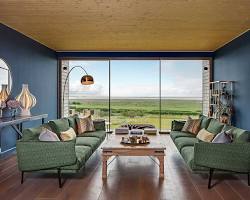
When you walk into a room and feel like the wall itself has opened up to the outside, there is a good chance a picture window is doing the work. Unlike casement, double-hung, or sliding windows, a picture window has no sash that moves. It is a single, uninterrupted pane of glass set into a frame, designed purely to maximize the view and light transmission.
This fixed design is both a strength and a limitation. On the strength side, the absence of moving hardware means fewer points of air infiltration, better thermal sealing, and a cleaner sightline. On the limitation side, you cannot crack it open for fresh air on a mild spring evening. That trade-off is worth understanding before you commit.
For homeowners who want the visual impact of a picture window but also need ventilation, the most practical solution is to flank the picture unit with operable windows on either side. Understanding the differences between your options matters here. If you are weighing your ventilation options, reviewing a comparison of casement windows vs sliding windows can help you decide which operable style pairs best with a large fixed center pane.
Because picture windows have no moving parts, they also tend to be more structurally stable, which allows manufacturers to produce them in much larger sizes than most operable window styles. This is why they are so commonly used in great rooms, living rooms, and any space where a dramatic visual connection to the outdoors is the design priority.
How Size, Placement, and Glazing Affect Performance
Size is the most obvious variable with picture windows, and it drives almost every other decision. A larger pane captures more light and a wider view, but it also puts more thermal load on the glass itself. In warmer climates or south-facing walls, a very large, unshaded window can contribute to overheating in summer months. In colder climates, the same window can cause significant heat loss overnight if the glazing is not specified correctly.
This is where glazing choices become critical. Standard double-pane insulated glass is the baseline for most residential applications. Triple-pane glass adds another layer of insulation, which is especially valuable in northern states where winter temperatures frequently drop well below freezing. Low-E coatings, which are thin metallic layers applied to the glass surface, help reflect infrared heat while still allowing visible light to pass through. Argon or krypton gas fills between panes further reduce conductive heat transfer.
The residential energy-efficient windows market was valued at $11.4 billion in 2024 and is estimated to grow at a CAGR of 8.5% from 2025 to 2034, according to GM Insights (2025). That growth reflects how seriously American homeowners are taking energy performance in their window selections, and picture windows with upgraded glazing are a direct part of that trend.
According to HIRI’s 2025 Government Incentives and Energy Retrofit Study, about 48% of respondents had completed energy-efficient window installations in the past five years, with another 21% planning upgrades in the next 12 months. If your current windows are single-pane or older double-pane units, upgrading to a modern picture window with high-performance glazing can have a measurable impact on your monthly energy costs.
Placement also matters. A north-facing picture window delivers consistent, diffused light without significant solar heat gain, making it ideal for home offices or studios. A south-facing installation captures the most winter sun but requires careful attention to shading or glazing to prevent summer overheating.
Frame Materials and Their Real-World Trade-offs
The frame surrounding your picture window is not just a structural necessity. It plays a major role in thermal performance, maintenance requirements, and visual style. The four most common frame materials used in the U.S. market are vinyl, wood, fiberglass, and aluminum, and each comes with a distinct set of trade-offs.
| Frame Material | Typical Cost Range | Maintenance Level | Thermal Performance | Best For |
|---|---|---|---|---|
| Vinyl | Low to Mid | Very Low | Good | Budget-conscious buyers |
| Wood | Mid to High | High | Excellent | Traditional or historic homes |
| Fiberglass | Mid to High | Low | Excellent | Long-term durability seekers |
| Aluminum | Low to Mid | Low | Poor (without thermal break) | Commercial or modern aesthetic |
| Composite | Mid to High | Low | Very Good | Mixed-climate applications |
Vinyl frames are the most popular choice in the U.S. because they are affordable, require almost no maintenance, and offer solid thermal performance. Wood frames deliver the best insulation values and the warmest aesthetic, but they require periodic painting or staining to prevent moisture damage. Fiberglass has become increasingly popular for picture windows specifically because its low expansion rate means the seal between the glass and frame stays tight over decades, which is important for a fixed unit that relies entirely on that seal for weather resistance.
For a deeper look at how each material holds up over time, the window frame materials guide from Chattanooga Window Company covers the key considerations in plain language.
What Picture Windows Cost and What Drives the Price
Costs for picture windows vary considerably based on size, frame material, glazing package, and installation complexity. According to Custom Market Insights (2024), the U.S. windows market was valued at $13.8 billion in 2024 and is projected to reach $19.8 billion by 2033, reflecting strong industry growth that is partly driven by homeowners upgrading to larger, higher-performance units.
For a typical residential picture window, you can expect the installed cost to range from roughly $300 on the low end for a small vinyl-framed unit to well over $1,500 or more for a large, custom-sized fiberglass or wood-framed window with triple-pane glazing. Custom shapes, such as arched or round tops, will add to both material and labor costs.
If you are budgeting for a full window replacement project rather than a single unit, it helps to understand the broader cost picture. A breakdown of how much do new windows cost in 2026 provides current pricing context across window types and materials, so you can plan your investment accurately.
Installation labor is a meaningful portion of total cost, especially for large picture windows. A standard-sized replacement in an existing rough opening is straightforward. A new or enlarged opening requires structural work, which adds to labor time and may require permits depending on your local building code.
Design Trends: Where Picture Windows Fit in Modern Homes
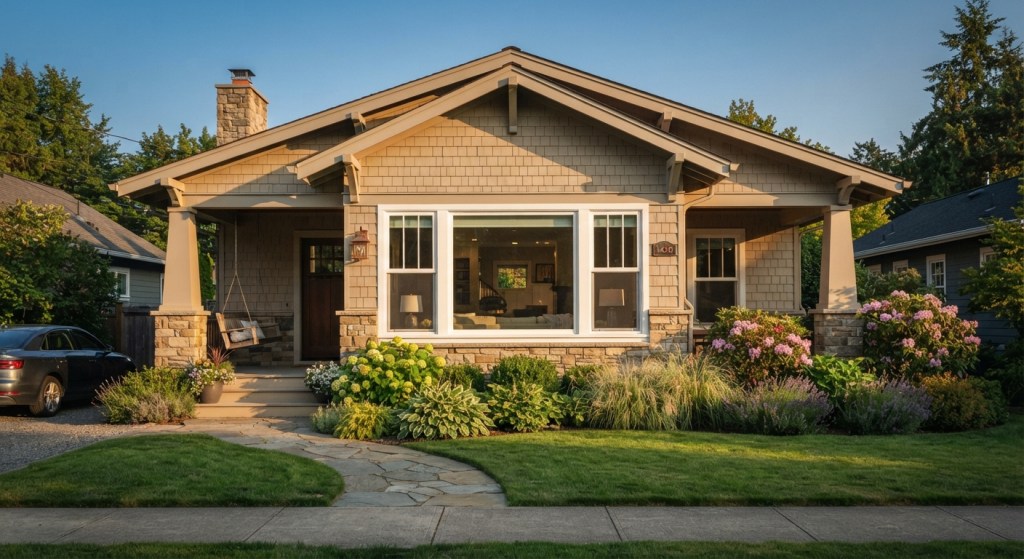
According to Window + Door Magazine (2024), 38% of custom home architects are specifying more window openings per home, and 35% reported designing for larger window units. That data aligns with what you see in new construction and high-end renovation projects across the country, where picture windows have become a defining feature of open, light-filled interiors.
In contemporary and transitional home designs, large picture windows are frequently used as a focal point on gable ends, above staircases, or as the centerpiece of a window wall in a living or dining area. The clean, frameless look of a floor-to-ceiling picture window works especially well in minimalist or industrial-modern interiors where the goal is to blur the boundary between inside and outside.
That said, picture windows are not limited to modern architecture. In craftsman-style homes, a wide picture window flanked by double-hung units is a classic arrangement. In traditional colonial-style homes, a large fixed center window with divided-light grilles that match the surrounding operable windows creates visual coherence without sacrificing the light-gathering advantage.
According to the National Fenestration Rating Council, all windows sold in the U.S. must carry NFRC labels that disclose U-Factor, Solar Heat Gain Coefficient, and other performance metrics. When selecting a picture window, comparing these ratings across products is one of the most reliable ways to assess real-world energy performance before you buy.
The WDMA’s 2024 Window & Door Industry Market Study, conducted by The Farnsworth Group, reported that 64.8 million window units were shipped in 2024, a 7% decrease from the previous year. Despite the overall volume dip, the shift toward larger, higher-specification units reflects a clear consumer preference for quality over quantity, and picture windows sit squarely in that trend.
Working With a Local Window Specialist
Choosing the right picture window involves more decisions than most homeowners initially expect, from rough opening dimensions and structural support to glazing specifications and frame finishes. Working with a local installer who understands regional climate conditions, local building codes, and the specific structural characteristics of your home makes a significant difference in both the quality of the installation and the long-term performance of the window.
Chattanooga Window Company works with homeowners throughout the region to assess existing openings, recommend appropriate sizing and glazing packages, and handle installation from start to finish. Whether you are replacing a dated fixed pane or creating a new opening to bring more light into a room, having an experienced team manage the project reduces the risk of costly mistakes and ensures the finished product performs as expected for years to come.
For homeowners considering an energy-efficient upgrade, the ENERGY STAR program offers a useful reference point for identifying certified products that meet regional performance thresholds, which can also qualify for federal tax credits under current U.S. energy efficiency incentive programs.
Things to Know
- Picture windows are fixed units, meaning they provide zero ventilation on their own. If airflow matters in the room, plan to pair them with operable windows on the same wall.
- Because they are non-operable, picture windows typically carry better air infiltration ratings than comparable operable styles, which directly benefits your heating and cooling costs year-round.
- Custom sizes and shapes, including arched tops, trapezoids, and circles, are available from most manufacturers but will add lead time and cost compared to standard rectangular units.
- Condensation on the interior surface of a picture window is usually a sign that the insulated glass seal has failed, not a cleaning issue. A failed seal means the gas fill between panes has escaped and the window’s thermal performance has dropped significantly.
- Local building codes in many U.S. jurisdictions require tempered or laminated safety glass in picture windows that are installed close to floor level, near doors, or in certain wet areas. Always verify code requirements with your contractor before ordering.
- Grid patterns, also called divided lights or grilles, can be added to picture windows for aesthetic purposes without affecting structural performance, but they do slightly reduce the unobstructed sightline that makes picture windows so visually distinctive.
The Bottom Line on Picture Windows
Picture windows are one of the most effective tools available for transforming the feel of a room. They bring in more natural light than almost any other window style, create a visual connection to the outdoors that genuinely changes how a space feels to live in, and deliver strong energy performance when specified with the right glazing and frame materials. The fixed design that limits ventilation is a real trade-off, but it is one that is easy to manage with thoughtful pairing alongside operable windows.
If you are considering adding or replacing picture windows in your home, the best next step is to speak with a local window specialist who can assess your existing openings, discuss sizing and glazing options suited to your climate and orientation, and provide a clear, itemized quote. Chattanooga Window Company offers consultations for homeowners throughout the region. Reach out today to get an accurate assessment and start planning a window upgrade that delivers lasting value.
Frequently Asked Questions
Q: What is considered a picture window?
A picture window is a large, fixed-pane window that does not open, designed primarily to frame an outdoor view and maximize natural light in a room.
The defining characteristic is the single, unobstructed pane of glass set into a stationary frame with no sash, hardware, or ventilation mechanism. Picture windows can be manufactured in a wide range of sizes and shapes, from standard rectangular units to custom arched or geometric configurations. They are commonly installed as focal points in living rooms, great rooms, and any space where the connection to the outdoors is a design priority.
Q: What’s the average price of a picture window?
The installed cost of a picture window in the U.S. typically ranges from around $300 for a small, basic vinyl unit to $1,500 or more for a large, custom-specified fiberglass or wood-framed window with premium glazing.
Several factors push the price up or down, including the size of the unit, the frame material, the glazing package selected, and whether the installation involves a new rough opening or a straightforward replacement. Custom shapes, specialty glass coatings, and structural modifications to the surrounding wall are the most common sources of cost overruns. Getting at least two or three quotes from licensed local installers before committing is always a sound approach.
Q: Are picture windows still in style?
Yes, picture windows remain firmly in style and are increasingly popular in both new construction and renovation projects across the United States.
According to Window + Door Magazine (2024), 35% of custom home architects reported designing for larger window units, which reflects broader market demand for the kind of light-filled, view-forward spaces that picture windows deliver. They appear across a wide range of architectural styles, from contemporary and minimalist interiors to craftsman, transitional, and even traditional colonial designs. The consistent appeal comes from their ability to frame a view cleanly and bring in natural light without visual clutter from frames or operating hardware.
Q: What are the disadvantages of picture windows?
The primary disadvantages of picture windows are the complete lack of ventilation, the potential for significant solar heat gain in poorly specified installations, and the higher glass area that requires regular cleaning.
Because they do not open, you cannot use them to circulate fresh air or release heat on warm days, which makes thoughtful pairing with operable windows essential in most rooms. A large south-facing picture window without appropriate Low-E glazing or exterior shading can also create uncomfortable heat buildup in summer months. Additionally, the larger the pane, the more visible smudges, streaks, and exterior grime become, and cleaning a very large fixed window, especially on upper floors, can require professional equipment or ladder work.
Q: Do picture windows need curtains?
Picture windows do not require curtains from a structural or functional standpoint, but curtains or other window treatments are often added for privacy, light control, and to soften the visual weight of a large glass surface in a room.
In rooms where privacy is not a concern and the view is the point, many homeowners choose to leave picture windows completely bare to preserve the unobstructed sightline. Where privacy or sun control is needed, popular treatment options include sheer panels, solar shades, and interior shutters. For very large picture windows, motorized shades are a practical solution that avoids the need for hardware wide enough to span the full opening, which can be difficult to source and install cleanly with traditional curtain rods.